Expert Sump Pump Setup to Protect Your Basement
Proper sump pump installation is essential for protecting properties from basement flooding and water damage. The process involves selecting the right pump, assessing the drainage system, and ensuring correct placement to optimize performance. Regular maintenance and timely upgrades can extend the lifespan of a sump pump and improve its efficiency.
Selecting a sump pump that matches the property's water removal needs is crucial. Consider factors such as pump capacity, type (submersible or pedestal), and durability.
The installation involves excavating a sump pit, connecting the pump to power and discharge lines, and testing the system to ensure proper operation.
Professional installation ensures the sump pump is correctly positioned, wired, and maintained, reducing the risk of failure during heavy rain or flooding.
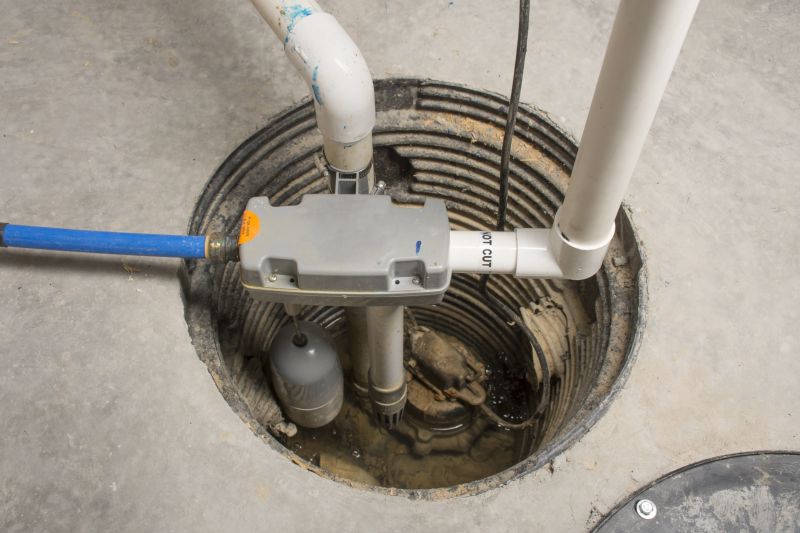
A typical sump pump installation with a basin and piping.
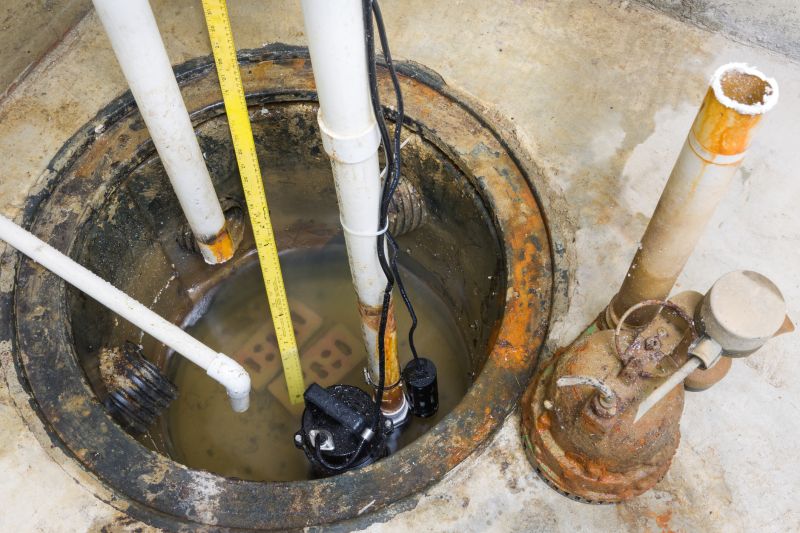
Close-up of a submersible sump pump ready for installation.
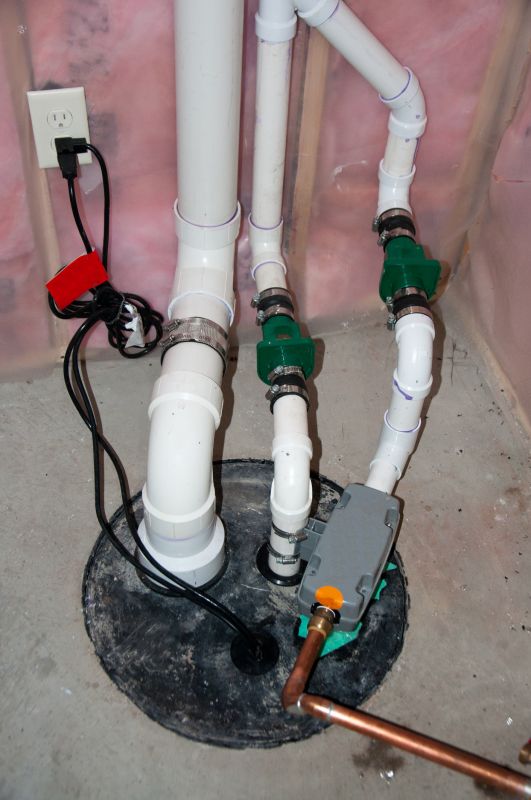
Properly connected discharge pipe directing water away from the foundation.
| Aspect | Details |
|---|---|
| Pump Types | Submersible and pedestal pumps suitable for different needs. |
| Installation Cost | Varies based on property size and system complexity. |
| Maintenance Frequency | Regular checks recommended every 6-12 months. |
| Lifespan | Typically 5-10 years with proper care. |
| Power Source | Electric connection required for operation. |
| Discharge Options | Pipes directing water away from the foundation. |
| Backup Systems | Battery or water-powered backups available. |
| Installation Time | Usually completed within a few hours. |
Late November and early December are ideal times to consider sump pump installations, as many contractors and service providers offer discounts around Black Friday. Asking contractors about holiday discounts can lead to significant savings on installation services and equipment. Taking advantage of these deals can make upgrading or installing a sump pump more affordable during the holiday season.