Sump Pump Installation vs Interior Foundation Drains: Which Do You Need?
Homeowners seeking to prevent basement flooding often choose between sump pump installation or interior foundation drains, with local service providers ready to help determine and install the best solution.
Understanding the differences between sump pump installation and interior foundation drains is essential for property owners facing basement or foundation water issues. Whether you’re dealing with frequent flooding, persistent dampness, or concerns about structural integrity, knowing which solution best suits your needs can help protect your home effectively. Local contractors who specialize in these systems can assess your property’s unique conditions and recommend the most practical approach, ensuring your investment in water management is both reliable and appropriate.
Exploring this topic is especially relevant for homeowners in areas prone to heavy rainfall or fluctuating groundwater levels. Choosing the right system can prevent costly water damage, reduce maintenance headaches, and improve overall home safety. As you continue reading, you’ll find helpful insights into how sump pump installation and interior foundation drains work, along with guidance on when each might be the right choice-making it easier to connect with experienced service providers who can handle the installation tailored to your property’s needs.
Get Quotes for Sump Pump Installation Or Interior Foundation Drains Installation
- Sump pump installation - needed when basement flooding occurs due to high groundwater levels and local contractors can install reliable systems to keep basements dry.
- Interior foundation drains installation - recommended when excess water infiltrates through foundation walls, with service providers installing drainage systems to redirect moisture away from the structure.
- Sump pump installation - suitable for properties with sump pits that require regular water removal, with local pros ensuring proper placement and connection.
- Interior foundation drains installation - used when foundation walls show signs of water seepage, with specialists designing drainage solutions tailored to the home's foundation layout.
- Sump pump installation - often chosen for ongoing water management needs, while interior foundation drains are installed to address persistent basement moisture issues, with local service providers handling the work.
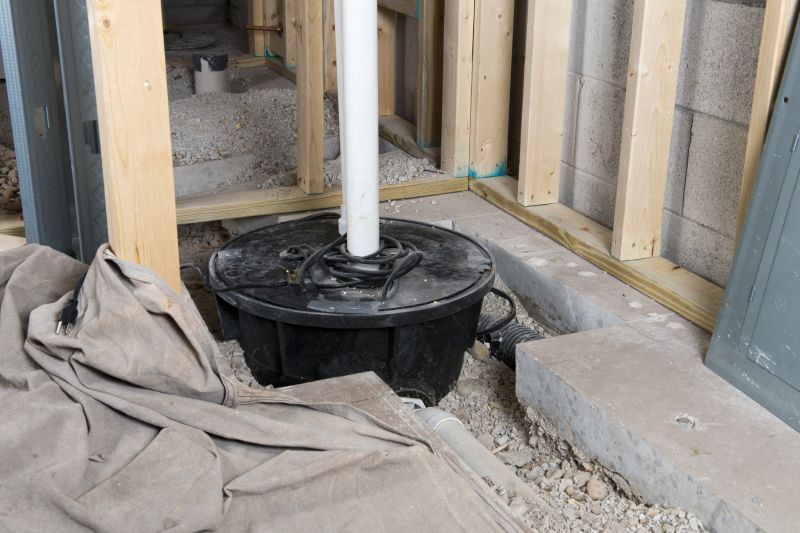
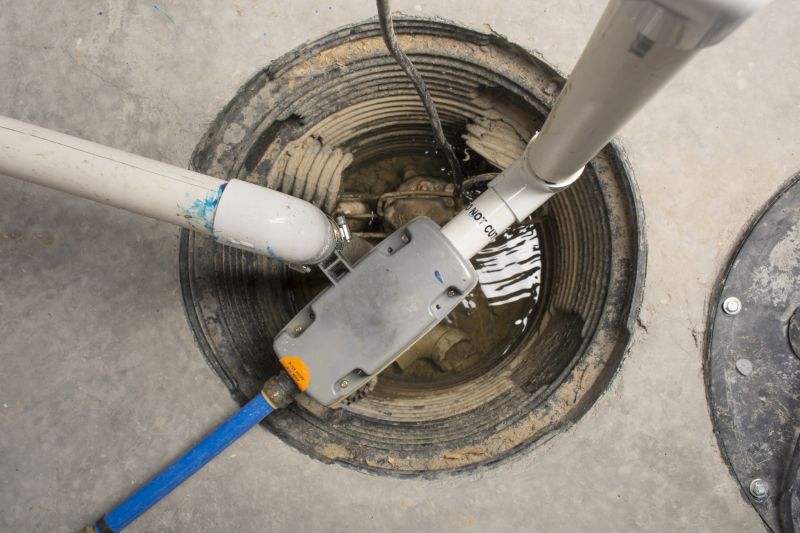
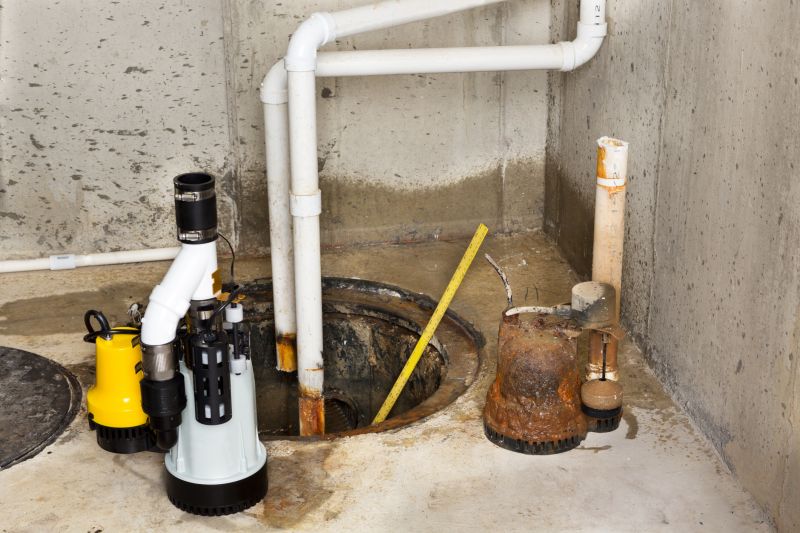
When homeowners search for information about sump pump installation versus interior foundation drains, they are often trying to understand which system is best suited to address their property's specific water management needs. These searches typically relate to issues like basement flooding, persistent dampness, or concerns about water intrusion during heavy rains or snowmelt. Many property owners are planning renovations, remodeling, or simply want to prevent future water damage. The decision between installing a sump pump or interior foundation drains hinges on the property's existing drainage challenges, the severity of water issues, and the overall foundation design. Understanding the differences helps homeowners make informed choices and ensures they select the right solution to protect their investment.
The types of problems that lead homeowners to consider either sump pump installation or interior foundation drains often involve ongoing water intrusion or moisture accumulation in basements or crawl spaces. For properties with high water tables or poor drainage around the foundation, these systems can serve as effective solutions. Sump pumps are typically used when water collects in a sump pit and needs to be actively pumped out to prevent flooding, making them suitable for homes with frequent or severe water issues. Interior foundation drains, on the other hand, are designed to collect water that seeps through foundation walls and direct it toward a sump or drainage system. Both options are commonly associated with properties in areas prone to heavy rainfall, fluctuating water tables, or poor soil drainage, especially in older homes or those built on expansive clay soils.
Properties that usually come up in discussions about sump pump versus interior foundation drains tend to include residential homes with basements or crawl spaces, particularly in regions with high water tables or significant seasonal moisture. Newer constructions might incorporate interior drainage systems during initial builds, while older homes often require retrofits. Commercial or multi-family properties with below-grade spaces may also benefit from these systems to manage water ingress effectively. The choice depends on the property's foundation type, existing drainage issues, and the desired level of water control. Local service providers often evaluate these factors firsthand to recommend the most appropriate system, ensuring that homeowners receive a tailored solution that addresses their unique water management needs.
Understanding how these systems connect to real projects helps homeowners see the practical role of local pros in resolving water issues. Sump pump installation involves placing a pump in a sump basin to actively remove water from the property, often requiring electrical and drainage connections. Interior foundation drains, meanwhile, involve installing a network of perforated pipes along the interior perimeter of the foundation walls, directing water toward a sump or drainage point. Both systems require careful planning and execution to be effective, and experienced local contractors can assess the property's specific conditions to determine the best approach. Whether installing a sump pump or interior drains, these professionals help ensure that the chosen system integrates seamlessly with the property’s existing foundation and drainage infrastructure, providing a durable solution to water intrusion challenges.
Drain tile installation - this project involves planning and installing underground drainage systems similar to interior foundation drains, requiring knowledge of soil and water flow management.
Basement waterproofing - waterproofing techniques often complement sump pump or foundation drain systems, with local contractors providing solutions to prevent basement flooding.
Drainage system upgrades - upgrading or expanding existing drainage systems involves skills comparable to those used in installing interior foundation drains and sump pumps.
Grading and landscape drainage - ensuring proper land grading to direct water away from structures shares planning and execution skills with foundation drainage projects.
Excavation and trenching - these foundational skills are essential for installing interior drains and sump pumps, requiring knowledge of underground utility locations.
Foundation repair and stabilization - addressing foundation issues often involves drainage improvements, connecting to the same expertise used in sump pump and interior drain installations.
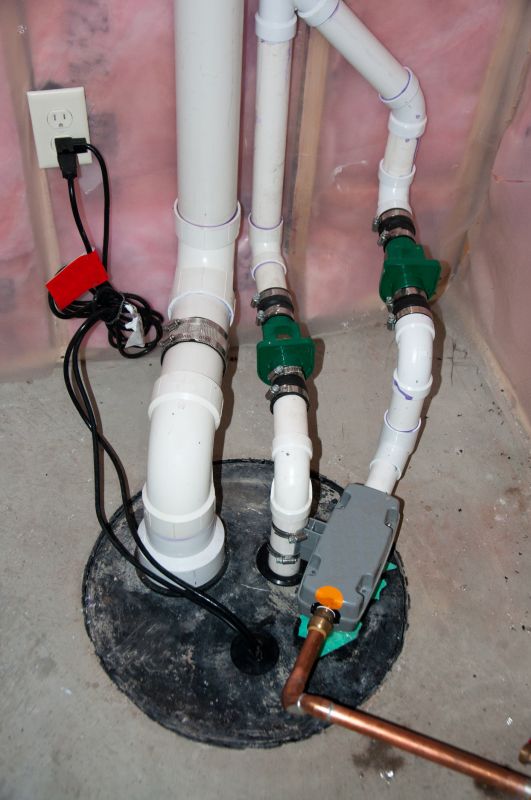
When comparing local contractors for sump pump installation versus interior foundation drains, it’s important to consider their experience with similar projects. Homeowners should inquire about the types of systems they have installed in the past and whether they have encountered situations similar to their own. Contractors with a proven track record in handling these specific drainage solutions are more likely to understand the nuances involved and recommend the most effective approach. Reviewing their portfolio or asking for references can provide insight into their familiarity with the work, helping to ensure that the selected service provider has the relevant experience needed to address the unique drainage challenges of a home.
Clear, written expectations are essential when evaluating local service providers for drainage system installation. Homeowners should seek detailed descriptions of the scope of work, including what the installation process entails, the materials used, and any necessary preparations or follow-up steps. Transparent communication about what the project will involve helps set realistic expectations and reduces the risk of misunderstandings. Service providers who can articulate their plans clearly and provide comprehensive written estimates are often more reliable, making it easier for homeowners to compare options and make informed decisions about whether a sump pump or interior foundation drains are the right solution.
Reputable references and effective communication are key factors to consider when choosing between local contractors for drainage work. Homeowners should ask for references from previous clients who had similar projects completed and follow up to learn about their experiences. Good communication throughout the process-such as responsiveness to questions, clarity in explanations, and willingness to address concerns-can greatly influence the overall experience. Service providers who prioritize open dialogue and provide consistent updates tend to be more dependable, helping homeowners feel confident in their choice of whether to proceed with a sump pump installation or interior foundation drains.
Get a Quote for Sump Pump Installation Or Interior Foundation Drains Installation
Property owners often search for sump pump installation vs interior foundation drains: which do you need? when they are planning practical projects around their homes and businesses. Local pros provide Sump Pump Installation or Interior Foundation Drains Installation services for everyday jobs and straightforward project options.
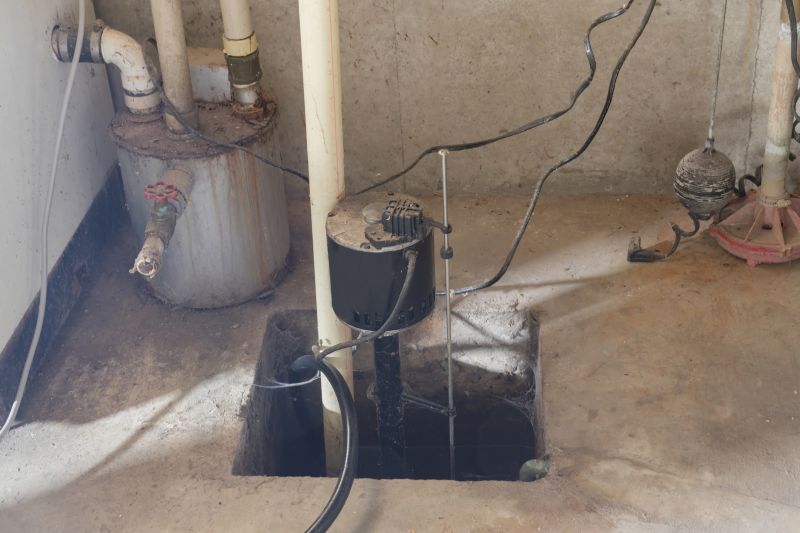
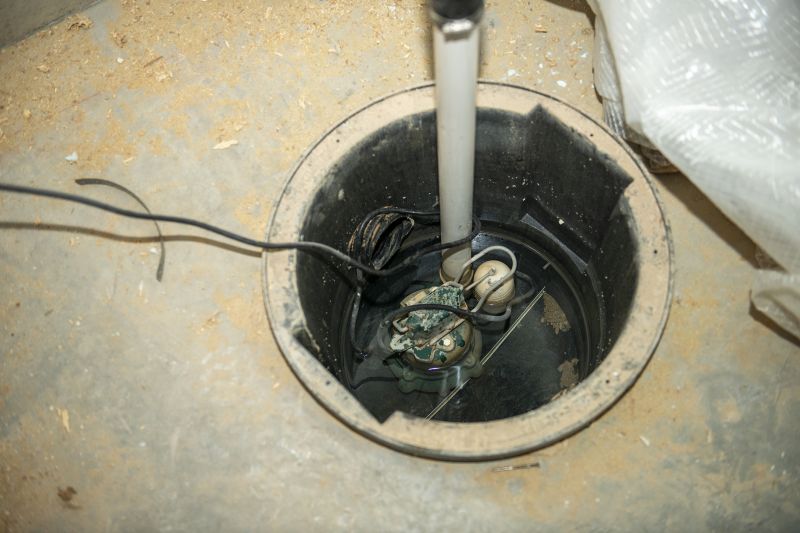
Homeowners dealing with basement flooding or persistent dampness often search for guidance on whether sump pump installation or interior foundation drains are the right solution. In many cases, property owners in the area consider these options when experiencing heavy rainfall, rising groundwater levels, or signs of moisture intrusion. Local contractors who specialize in foundation waterproofing can evaluate the specific conditions of a property to recommend either a sump pump system, interior drains, or sometimes both, to effectively manage water ingress and protect the basement.
Choosing between sump pump installation and interior foundation drains depends on factors like the severity of water issues and the layout of the property. Sump pumps are typically used to remove water that accumulates in a basement or crawl space, especially when dealing with frequent or heavy flooding. Interior foundation drains, on the other hand, work to divert water before it reaches the basement, often installed along the footing or wall to prevent moisture buildup altogether. Local service providers can help property owners determine which approach best addresses their situation and handle the installation process efficiently.
Get a Quote for Sump Pump Installation Or Interior Foundation Drains Installation
What is the main difference between sump pump installation and interior foundation drains? Sump pump installation involves adding a pump to remove water from a basement or crawl space, while interior foundation drains are systems designed to redirect water away from the foundation to prevent moisture buildup. Local contractors can assess which system best suits a property's needs.
When should I consider installing a sump pump instead of interior foundation drains? A sump pump is typically recommended if there is frequent water accumulation in the basement or if drainage issues are localized. Local service providers can evaluate your property to determine if a sump pump is the appropriate solution.
Can interior foundation drains be enough to prevent basement flooding on their own? Interior foundation drains help manage water that enters the basement but may not be sufficient if groundwater levels are high or if exterior drainage issues exist. Local pros can advise whether additional measures like a sump pump are necessary.
Are interior foundation drains more effective than sump pumps for preventing water damage? The effectiveness depends on the specific water issues; interior foundation drains excel at managing water that seeps through the foundation, while sump pumps are effective at removing accumulated water. A professional assessment can identify the best option.
How do local contractors determine whether I need a sump pump or interior foundation drains? They evaluate factors such as soil conditions, water table levels, and the history of water intrusion in your property to recommend the most suitable waterproofing system for your needs.
Assessing water issues - Property owners can evaluate whether basement flooding occurs during heavy rains to determine if sump pump installation or interior foundation drains are needed.
Choosing the right system - Homeowners experiencing consistent dampness or water seepage might consider consulting local contractors about installing interior foundation drains.
Preventing basement damage - Installing a sump pump can be a practical solution for those facing frequent water accumulation in the basement.
Planning for long-term protection - Combining sump pump installation with interior foundation drains may be recommended by local service providers for comprehensive moisture control.
If you are thinking about sump pump installation vs interior foundation drains: which do you need? for a property, this guide is meant to help you understand this topic, the typical project types, and how different options might fit your plans.
When you are ready, you can use the quote form on this page to share a few details about your project. From there, local pros can review the basics and follow up with options that match what you have in mind.
Get a Quote for Sump Pump Installation Or Interior Foundation Drains Installation