Get Sump Pump Installation in Williamson County, TN
Local contractors in Williamson County, TN, can install sump pumps to prevent basement flooding, manage excess groundwater, and protect properties during heavy rains.
Property owners in Williamson County, TN, who are considering sump pump installation often recognize the importance of protecting their homes from basement flooding and water damage. Properly installed sump pumps can provide a reliable drainage solution, especially during heavy rains or unexpected water influxes common in the area. Exploring local contractors who specialize in sump pump services can help ensure that the system is tailored to the specific needs of your property, offering peace of mind and added security for your home.
When planning a property improvement project like sump pump installation, comparing options among local service providers can be a practical step. Many experienced contractors in Williamson County understand the unique drainage challenges faced by homes in the region and can offer insights into effective solutions. Continuing to explore your options can help you find the right professionals to handle the work efficiently and effectively, ensuring your property remains protected from water-related issues.
- Sump Pump Installation - needed when heavy rains threaten to flood basements in neighborhoods like Franklin and Brentwood.
- Emergency Sump Pump Replacement - required if an existing sump pump fails during a storm, risking water damage in homes across Williamson County.
- Basement Waterproofing Support - essential for homeowners in Murfreesboro seeking to prevent water intrusion in their living spaces.
- Sump Pump System Upgrades - suitable for properties with outdated equipment that no longer effectively manages groundwater.
- Storm Preparedness Services - helpful for residents in areas prone to severe weather looking to protect their properties from flooding.
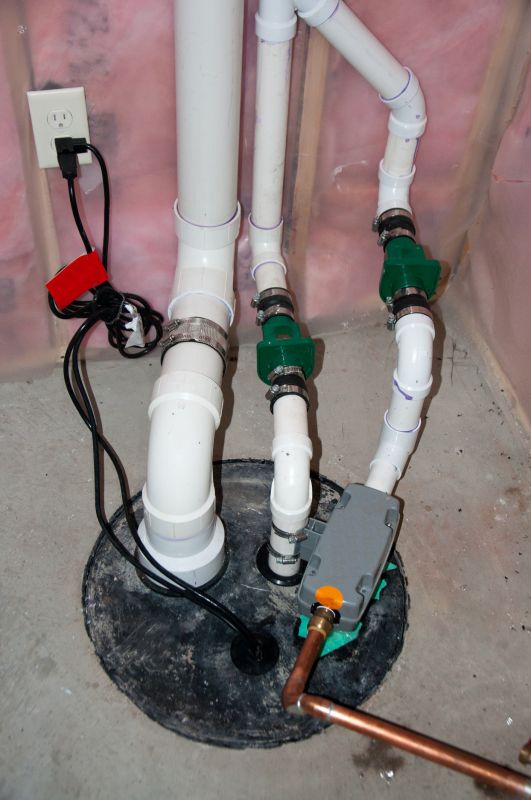
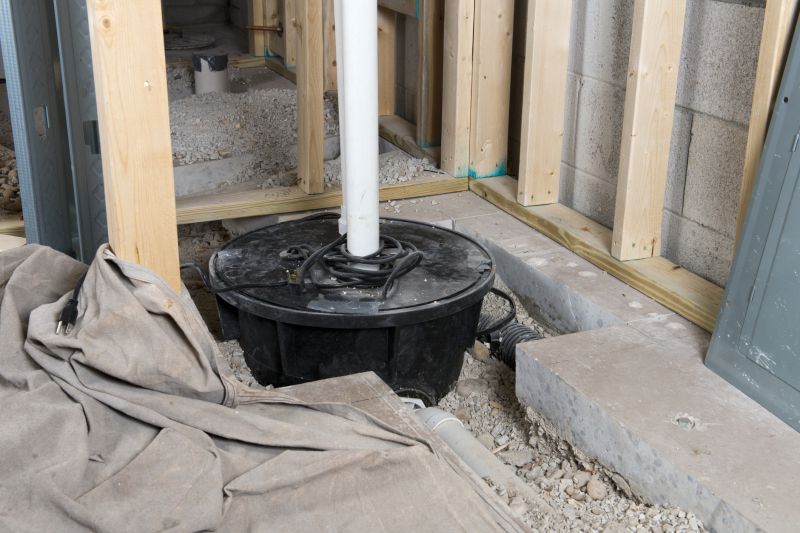
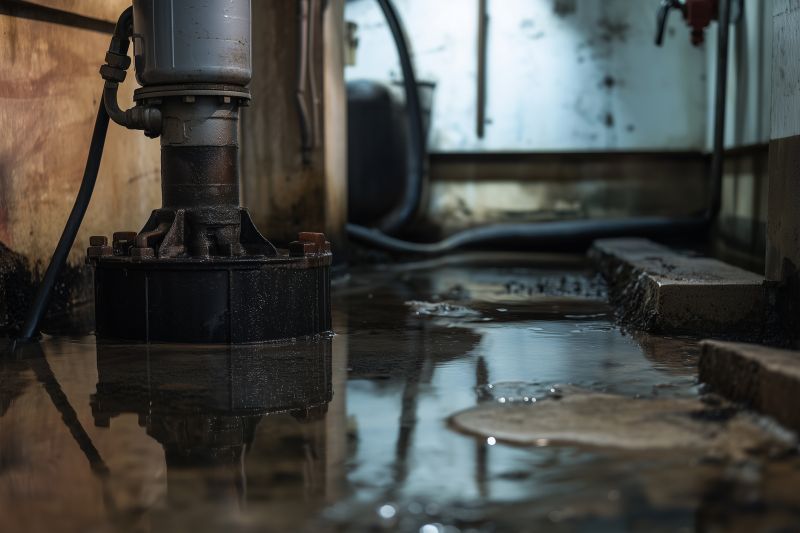
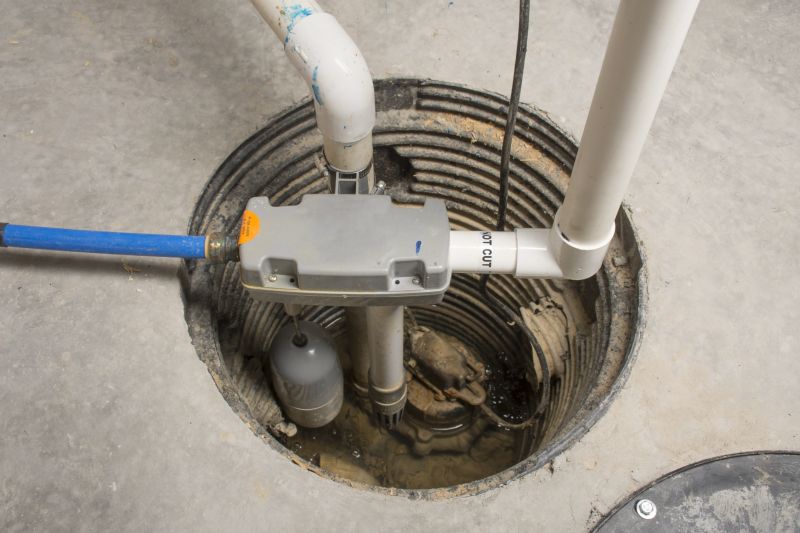
Sump pump installation services involve setting up a device designed to remove excess water from a building’s basement or crawl space. The process typically includes evaluating the property’s specific drainage needs, selecting an appropriate sump pump model, and installing it in a strategic location such as a sump pit or basin. This setup helps ensure that any water accumulating during heavy rains or flooding events is efficiently directed away from the foundation, reducing the risk of water damage and structural issues. Professional installation by experienced contractors ensures the system functions properly and is integrated seamlessly into the property’s existing drainage plan.
Many homeowners turn to sump pump installation services when faced with recurring problems related to excess water or flooding in their basements. Common issues include water seepage during heavy storms, persistent dampness, mold growth, or damage to stored belongings. Properties situated in low-lying areas or those with poor drainage are especially vulnerable. Installing a sump pump can serve as a preventative measure, helping to keep basements dry and protect the foundation from water-related deterioration. Service providers can assess the property’s unique needs and recommend the right type of sump pump to effectively manage water flow.
Sump pump installation is often sought for residential properties that have experienced water intrusion or are at risk of flooding. This includes older homes with inadequate drainage systems, new constructions in flood-prone areas, or properties with basements used for storage or living space. Commercial buildings with underground levels or parking garages may also benefit from sump pump systems to prevent water accumulation that could disrupt operations or cause damage. Local contractors are equipped to handle a variety of property types, ensuring that the sump pump system is tailored to provide reliable protection against water intrusion.
Choosing professional sump pump installation can be a practical step for homeowners and property managers looking to safeguard their investments. Proper installation ensures that the system operates efficiently and minimizes the chance of costly water damage. Service providers can assist with selecting the right sump pump size and type, based on the property’s size, drainage needs, and local weather conditions. Whether addressing existing water issues or installing a preventative system, experienced local contractors can help property owners maintain a dry, stable foundation and avoid the disruptions caused by basement flooding or excess moisture.
The overview below groups typical Sump Pump Installation projects into broad ranges so you can see how smaller, mid-sized, and larger jobs often compare in Williamson County, TN.
In many markets, a large share of routine jobs stays in the lower and middle ranges, while only a smaller percentage of projects moves into the highest bands when the work is more complex or site conditions are harder than average.
Smaller Repairs - Typical costs for minor sump pump repairs or installations in Williamson County range from $250 to $600. Many routine jobs fall within this middle range, depending on the specific needs of the property. Fewer projects tend to push into the higher end of this spectrum.
Full Replacement - Replacing an existing sump pump with a new unit usually costs between $800 and $2,500. Larger, more complex installations or upgrades can reach $3,000 or more, especially for custom setups or additional drainage work.
Drainage System Installation - Installing or upgrading a sump pump and its drainage system typically costs from $1,200 to $4,000. Many projects in Williamson County fall into this range, with larger systems for extensive basements or high water tables pushing the total higher.
Custom or Complex Projects - Highly customized sump pump systems or installations in difficult locations can cost $5,000 or more. These projects are less common and usually involve significant excavation, additional waterproofing, or specialized equipment.
Actual totals will depend on details like access to the work area, the scope of the project, and the materials selected, so use these as general starting points rather than exact figures.
Drainage System Installation - local contractors who install drainage systems often have experience with sump pump setups to manage water flow effectively around properties.
Foundation Waterproofing - professionals in waterproofing foundations utilize similar planning and tools to prevent water intrusion, often coordinating with sump pump installation projects.
Basement Flood Prevention - experts in basement waterproofing and flood prevention employ comparable skills in assessing water risks and installing sump pumps to protect interior spaces.
Grading and Land Contouring - land grading specialists work on directing water away from structures, a task that complements sump pump installation to ensure proper drainage.
Septic System Installation - septic system installers use similar excavation and plumbing techniques that can overlap with the work involved in sump pump setup.
Storm Drainage Solutions - providers of storm drainage systems design and install infrastructure that works alongside sump pumps to handle heavy water runoff effectively.
When comparing contractors for sump pump installation, it’s important to consider their experience with similar projects. Homeowners should look for service providers who have a track record of successfully completing sump pump installations in homes with comparable foundation types and water management needs. Asking about the number of projects completed in the local area can provide insight into their familiarity with common challenges and local building conditions, helping to ensure the chosen contractor has the practical knowledge to handle the job effectively.
Clear written expectations are essential to a smooth installation process. Homeowners should seek service providers who can provide detailed descriptions of what the work will entail, including the scope of the project, materials used, and any necessary preparations. Having this information in writing helps prevent misunderstandings and ensures that both parties are aligned on the project’s objectives. It also makes it easier to compare different options and choose a contractor that offers transparent communication and comprehensive planning.
Reputable references and good communication are key factors when selecting local contractors. Homeowners are encouraged to ask for references from past clients who had similar sump pump projects completed, which can offer valuable insights into the contractor’s reliability and quality of work. Additionally, service providers who are responsive, clear, and proactive in their communication demonstrate professionalism and a commitment to customer satisfaction. Remember, the goal is to connect with experienced local pros who can handle the installation properly, rather than expecting the site to perform the work itself.
Property owners in Williamson County, TN use Sump Pump Installation services for practical projects around their homes and businesses. This guide focuses on everyday jobs and straightforward project options.
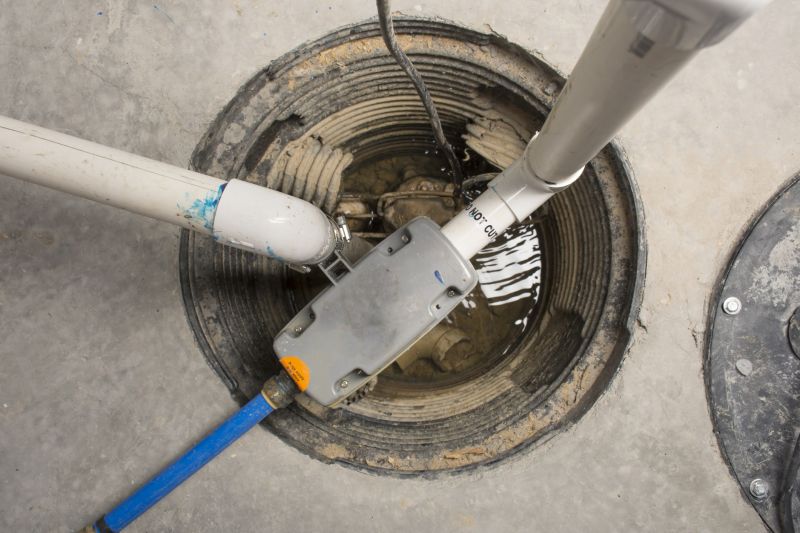
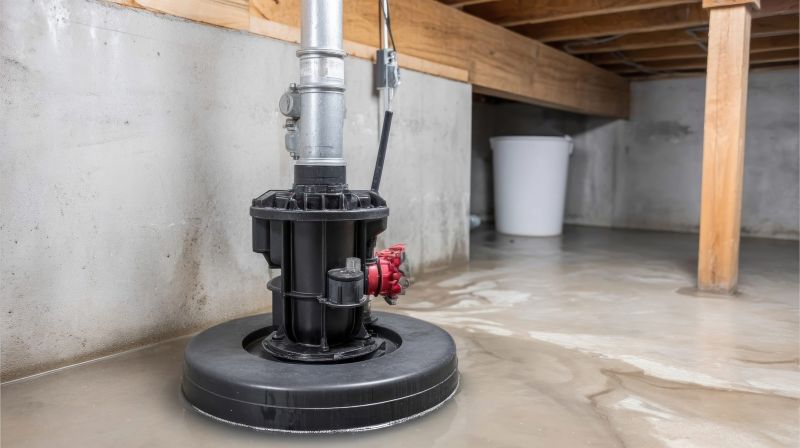
Property owners in Williamson County, TN often seek sump pump installation services when they notice basement flooding or persistent dampness after heavy rains. During seasonal storms or unexpected downpours, a reliable sump pump can help keep water out of crawlspaces and lower levels, protecting belongings and preventing water damage. Local contractors can assess the specific needs of a property and recommend the appropriate sump pump system to ensure effective drainage and water management.
Additionally, homeowners preparing for new construction or remodeling projects may look for sump pump installation to safeguard their investment from future moisture issues. Older homes in the area might require upgrades to existing drainage systems to handle increased rainfall or changing soil conditions. Service providers in Williamson County can assist with installing or replacing sump pumps as part of a comprehensive approach to maintaining a dry, stable foundation for residential properties.
What is a sump pump and why might I need one? A sump pump is a device installed in a basement or crawlspace to remove excess water that accumulates, helping prevent flooding and water damage during heavy rains or groundwater seepage.
How do local contractors install a sump pump? Professional installers assess the property, choose an appropriate pump type, and properly position and connect the system to ensure effective water removal and proper drainage.
What types of sump pumps are available? There are primarily pedestal and submersible sump pumps, each suited to different basement conditions and preferences, with local service providers able to recommend the best option.
Can a sump pump be integrated with existing drainage systems? Yes, local contractors can connect sump pumps to existing drainage or piping systems to improve water management around the property.
What maintenance is required for a sump pump? Regular checks and occasional cleaning are recommended to ensure the pump operates correctly, with local pros offering maintenance services if needed.
Prevent Basement Flooding - Installing a sump pump can help protect a basement or crawl space from water intrusion during heavy rains or storms.
Protect Property Foundations - Proper sump pump installation can reduce the risk of foundation damage caused by excess groundwater buildup.
Maintain Dry Living Spaces - A sump pump system can keep living areas dry and comfortable by managing excess water effectively.
Safeguard Valuable Items - Installing a sump pump can help preserve stored belongings and prevent water-related damage in vulnerable areas.
If you are thinking about Sump Pump Installation for a property in Williamson County, TN, this guide is meant to help you understand the work, the typical project types, and how different options might fit your plans.
When you are ready, you can use the quote form on this page to share a few details about your project. From there, local pros can review the basics and respond with options that match what you have in mind.